“It is exquisite,” said Tokunari as he admired the beauty of the sweet in front of him. It was a bean jam confection called manju. Dye from flower petals were used to color it. The one in front of him was fashioned to resemble a miniature persimmon. He took a sip of citrus tea and picked it up with a pair of lacquered chopsticks. He nibbled at it…”
My first blog is about a Japanese confection called “manjū” * made with azuki beans and lima beans that are boiled and then mashed together with sugar to make a sweet paste. The result is often referred to as “bean jam”. Manju comes in several varieties and there are regional specialties that are sold throughout the country. However, flower petal dyes are no longer used!
Manju is a sweet that was imported into Japan about 700 years ago where it has been popular ever since. Most manju shops offer a wide variety of shapes, often created to herald the current season or some upcoming event such as a graduation.
My wife and I visit Japan twice a year to visit relatives and do research for my upcoming novel. While we are in Fukuoka, a city on Kyūshū Island, we often drop by Togetsu**, a shop specializing in manju. Togetsu was established four generations ago and the current artist is Seichi Shirai, a college graduate who works with his father. You’ll understand why I refer to him as an artist when you view the video down below.
Tangerines are a popular fruit sold in the fall and the winter. Let’s see how close Seichi came in imitating a real tangerine.
* **Togetsu is translated as “Moon Rabbit” 兎月. There is an ancient Hindu/Buddhist tale that recounts a family of animals who came across an old, starving man. The animals were struck with pity and each brought him food that they normally collected. Sadly, the rabbit was a grass eater and so he threw himself into the fire that the old man had built so that he could have meat for a meal. A diety named Sakra was so touched with the rabbit’s sacrifice that he saved him and sent him to the moon to remind humans about the importance of charity. He lives up there today, making herbs for the gods in heaven. Can you see him in this picture?
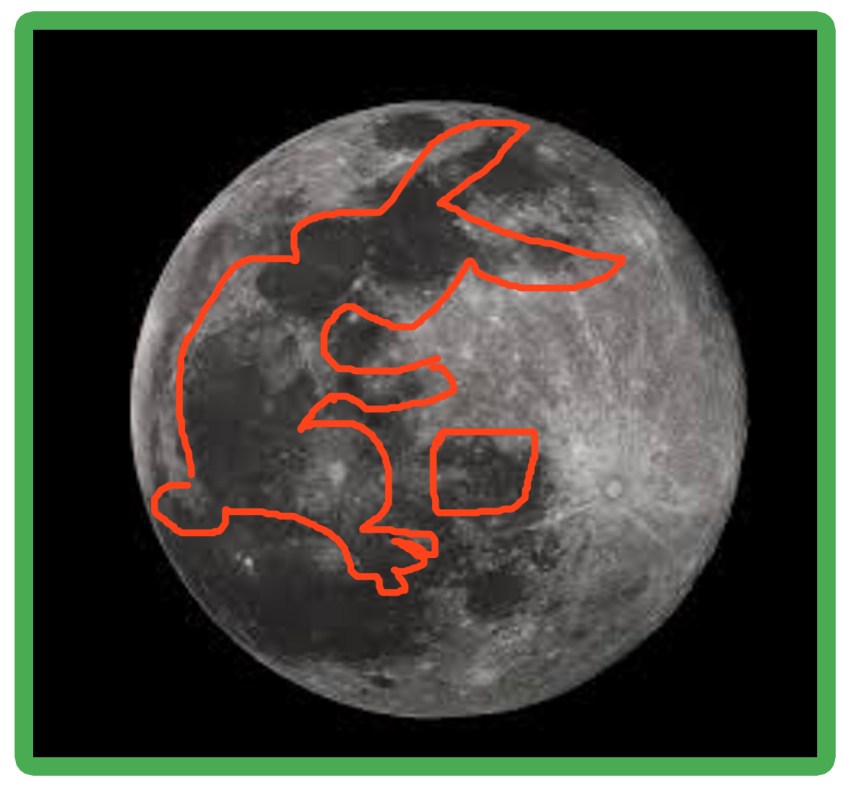
A bit of a stretch, isn’t it? The Aztecs had a myth about the rabbit in the moon. To find out more about it, check out this site: http://www.mexicolore.co.uk/aztecs/aztefacts/rabbit-in-the-moon

 The face of the omozukai, or main puppeteer is visible. He manipulates the head, right arm and hand of the puppet which is called a ningyō. Two other puppeteers where black gowns and black hoods. They move the ningyō’s arms, hands, legs and feet. All three men employ shafts and levers inside the doll to make it move. Although we see them in plain sight, it is easy to ignore them as we focus on the ningyō’s graceful, human-like movements.
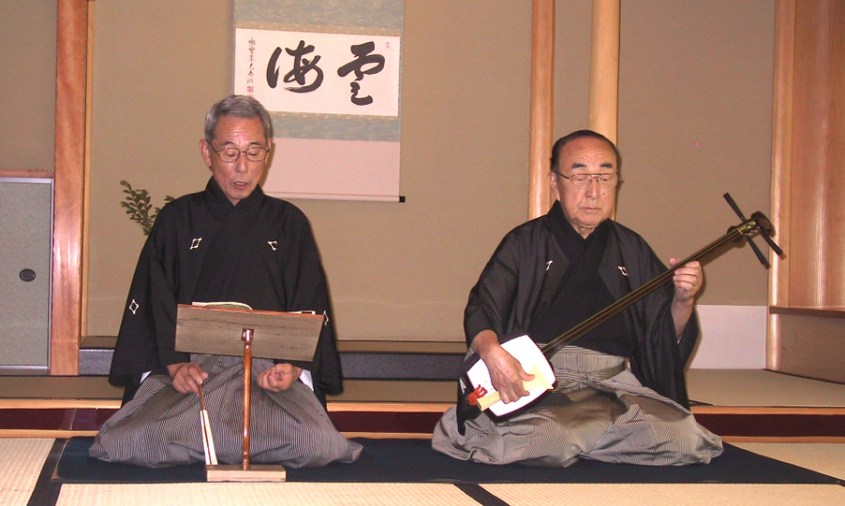 Rdsmith/4gallery
  Shogun's Gold